

If you have ever sat at a single deck table, you know the cards feel different. Fewer decks mean the maths shifts, and so does the house edge. This piece walks through single deck blackjack house edge and odds with a clear eye, drawing on the kind of commercial discipline I bring from sports business and fan engagement work at Newcastle Jets. We will keep it practical, Australian, and honest about what ongoing value actually looks like after the welcome offer fades.
How the Maths Works at a Single Table
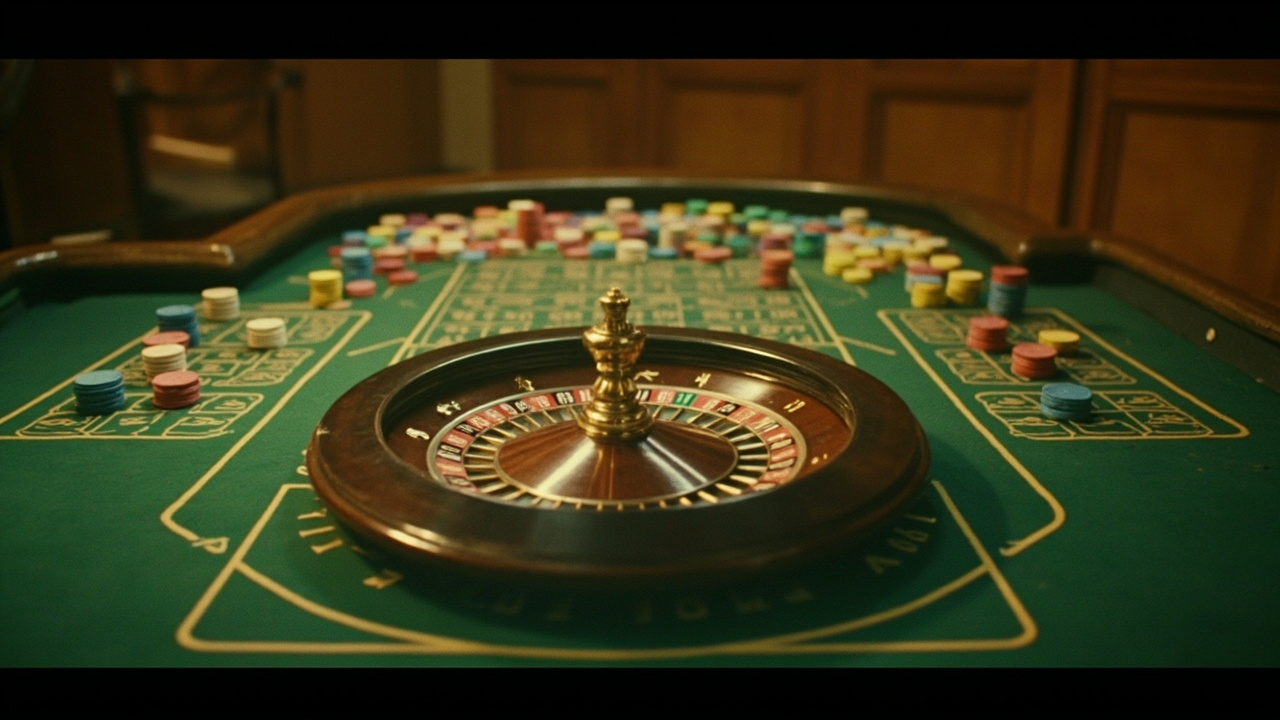
Single deck blackjack house edge and odds are not a mystery, but they do reward players who pay attention to the composition of the shoe. With only one deck in play, each card dealt changes the remaining distribution more sharply than in a six or eight deck game. That matters for both the player and the operator, because the house edge tightens when the rules are favourable and widens the moment the payout on blackjack dips below the standard 3:2.
Abigail Lewis, Commercial Director, Red Centre Analytics, puts it plainly: the edge is a function of rules first and deck count second, so a single deck game with 6:5 blackjack pays can erase the theoretical advantage faster than most players expect. That is the kind of commercial goldenbetpromocode.com reality I see when clubs and venues balance yield against player trust, and it is worth keeping in front of you before you commit any bankroll.
The basic odds are straightforward enough to learn in an arvo. A natural blackjack appears more often in a single deck than in a multi-deck shoe, which is why the game has historically appealed to disciplined players. Yet the same density also means dealer bust rates and player double-down opportunities shift in ways that depend heavily on the specific rule set at your table. If you are comparing options, the table below shows how a few common rule variations move the edge.
| Rule variation | Approximate house edge impact |
|---|---|
| Blackjack pays 3:2 | Baseline for a single deck game |
| Blackjack pays 6:5 | Adds roughly 1.4% to the house edge |
| Dealer stands on soft 17 | Slightly favours the player |
| Dealer hits on soft 17 | Slightly favours the house |
| Late surrender allowed | Reduces the house edge modestly |
| Double after split allowed | Improves player expectation |
What I have learned from running projects and partnerships is that the headline number rarely tells the whole story. The real question is whether the rules, the pace, and the ongoing promos line up with how you actually want to play.
What to Look for Before You Put Money In
If you are new to this, here is a friendly way to think it through, step by step, the way I would explain it to a mate who has never tracked a shoe in his life.

First, check the blackjack payout. A single deck game that pays 3:2 on a natural is the one most players should prioritise, because the maths is visibly better than a 6:5 version. If the table pays 6:5, the edge climbs quickly and the odds stop working in your favour the way you hoped.
Second, read the dealer rules on soft 17. Whether the dealer stands or hits changes the flow of the hand and nudges the edge in a direction that is small but real over a long session. It is the sort of detail that separates a table worth your time from one that just looks tidy.
Third, look at what happens after the welcome offer. A one-off bonus is fine, but the recurring promos, cashback, loyalty tiers, and repeat-play reasons are what keep a venue competitive once the arvo is over and the first deposit bonus has been used. I have seen too many commercial deals fall over because the ongoing value was an afterthought, and the same principle applies here.
Fourth, test the pace and the support on mobile before you commit a serious session. A clean registration flow, sensible payment limits, and a support team that answers without dragging you in circles matter more than a flashy lobby. In Canberra, where local players often want a straightforward experience without fuss, that kind of operational honesty is worth more than a big promotional headline.
Fifth, keep your expectations grounded. No rule set or promo structure turns the odds into a guarantee, and no amount of loyalty points changes the fact that the house always holds a mathematical edge over time. Play for the engagement, the discipline, and the occasional good run, not for a promised outcome.
The list below sums up the recurring features worth weighing after the welcome offer.
- Cashback on lost hands or sessions, scaled to your activity Blackjack deck penetration tại Úc và
- Loyalty or VIP tiers that reward repeat play rather than just deposits
- Tournaments and scheduled events that add variety without changing the core odds
- Ongoing reload promos that are clear about terms instead of hiding them
- Support and account management that stays responsive once you are past the onboarding stage
Andrew Ryan, Chief Financial Officer, Southern Star Esports, notes that recurring value is where the commercial model either earns trust or burns it, because players notice quickly when a welcome offer is the only thing worth chasing. That is a judgement call I share from the sports commercial side: the long-term relationship is built on what happens after day one, not on the first headline.
Player-Fit and a Clear Verdict
This game suits players who want a tighter, more transparent maths environment and are willing to respect the edge rather than fight it. If you like counting cards, you should know that single deck penetration matters, and the practical reality at most regulated tables is that true penetration is limited, so treat any edge you think you have as fragile. For a broader look at how deck penetration is discussed in the Australian market and how players read table advantage, you can read this related piece on blackjack deck penetration tại Úc và cách đọc lợi thế bàn chơi.
The player-fit verdict is simple. Choose a single deck table with 3:2 blackjack, dealer stands on soft 17, and a loyalty programme that keeps giving you reasons to return after the welcome offer is spent. If the payout drops to 6:5 or the ongoing promos are thin, the edge shifts against you and the experience stops being worth the time. Finn Johnson, Board Member, Banksia Betting Partners, is blunt about it: the venues that keep players are the ones that treat ongoing value as a product, not a garnish, and that is the standard worth applying here.
For Australian adults 18+, the right move is to treat single deck blackjack house edge and odds as a commercial decision, not a thrill ride. Check the rules, weigh the recurring promos, and play where the maths and the service both make sense. If you want a measured comparison of options that take this seriously, the overview at https://stellarspinsreview.com/ is worth a look before you decide where to put your time.
Single deck blackjack house edge and odds reward patience and punish wishful thinking, so the players who do best are the ones who read the table, respect the edge, and choose a venue that keeps offering real reasons to come back.